You’re one click away from better coverage. Start your quote with Holley Insurance today!
-
Our Phone: (540) 334-4225
-
Our Email: service@holleyinsurance.com

When the temperature climbs into the 90s—or even reaches triple digits—many homeowners start asking the same question:
“Why won’t my house cool down?”
If your heat pump seems to be running constantly during a heat wave, don’t panic. In many cases, it’s doing exactly what it was designed to do.
Understanding how heat pumps work in extreme heat can help you avoid unnecessary service calls, reduce wear and tear, and protect one of your home’s most important systems.

Heat Pumps Work Harder In Extreme Heat
Despite the name, a heat pump cools your home just like a traditional air conditioner during the summer.
Instead of creating cold air, it removes heat from inside your home and transfers it outdoors.
When it’s 95° or hotter outside, that job becomes much more difficult. The hotter the outdoor air, the harder your heat pump has to work to move heat out of your home.
As a result, it’s completely normal for your heat pump to:
- Run for longer periods of time
- Cycle less frequently
- Take longer to reach your thermostat setting
Longer run times don’t necessarily mean your system is failing—they often mean it’s working as designed.
Don’t Be Surprised If It Can’t Reach Your Desired Temperature
Many heat pumps are designed to maintain an indoor temperature around 20 degrees cooler than the outside temperature.
For example:
- If it’s 95° outside, your system may comfortably maintain about 75° indoors.
- If it’s 100° outside, reaching 68° may simply not be realistic.
Trying to force your system to cool much lower than it’s designed for can cause it to run almost continuously, increasing energy costs and placing additional stress on the equipment.
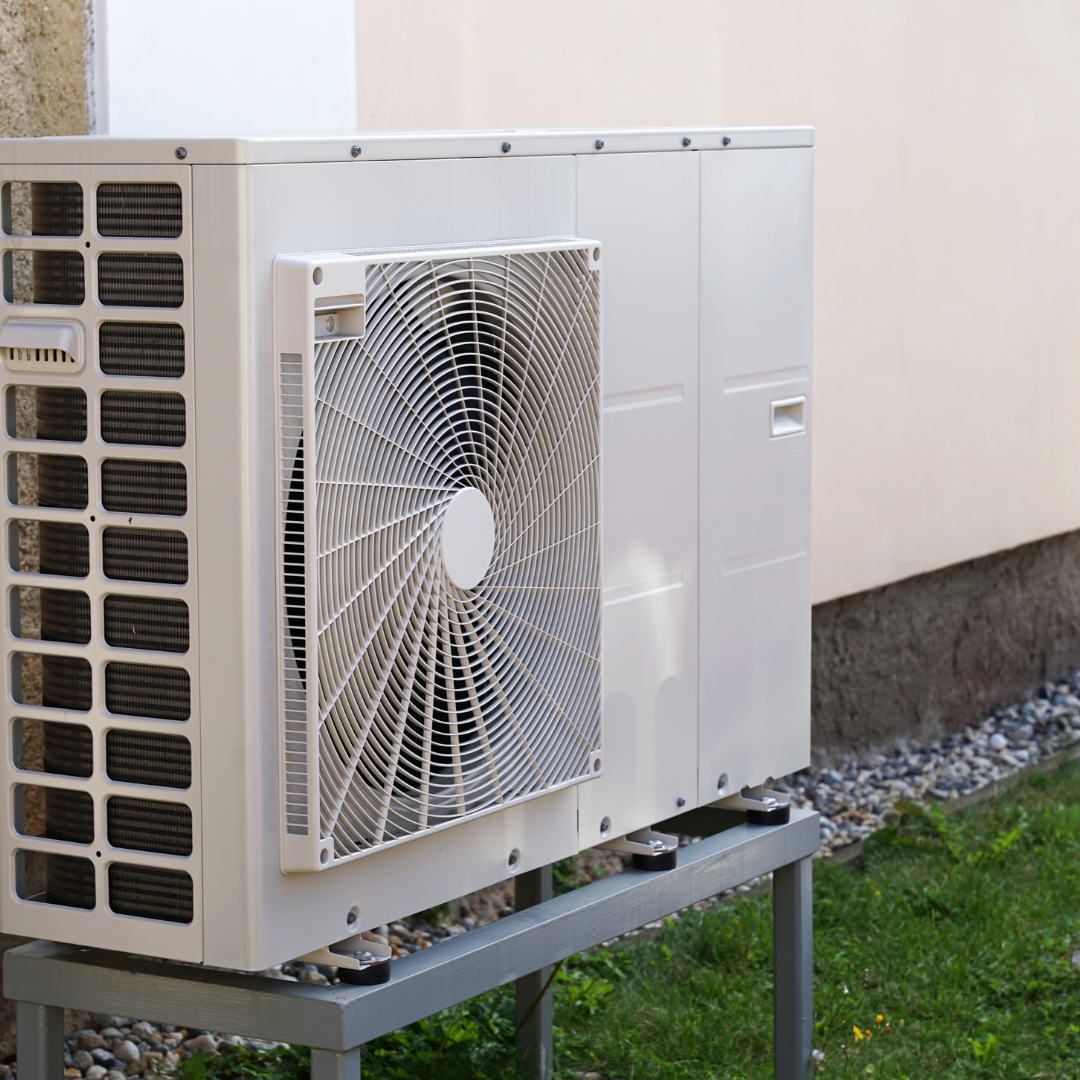
Signs Your Heat Pump May Need Attention
While longer run times are normal during a heat wave, there are times when you should call an HVAC professional.
Watch for warning signs such as:
- Warm air blowing from your vents
- Ice forming on the indoor or outdoor unit
- Weak airflow
- Strange noises
- Frequent on-and-off cycling
- Sudden increases in your electric bill
- Your home never getting close to the thermostat setting, even during moderate weather
These could indicate a refrigerant issue, airflow restriction, dirty coils, or another mechanical problem.
Help Your Heat Pump Beat the Heat
A few simple maintenance steps can make a big difference during the summer.
Replace Your Air Filter
A clogged air filter restricts airflow and forces your system to work much harder.
Most filters should be checked monthly and replaced every one to three months, depending on your home and pets.
Keep the Outdoor Unit Clear
Your outdoor heat pump needs room to breathe.
Remove weeds, leaves, grass clippings, and other debris, and keep at least two feet of clearance around the unit.
Leave the Thermostat Alone
It can be tempting to drastically lower the thermostat when your home feels warm.
Unfortunately, that won’t make your house cool any faster—it simply causes your system to run longer.
A steady temperature is usually the most efficient approach.
Close Curtains and Blinds
Blocking direct sunlight can significantly reduce indoor temperatures and lessen the workload on your heat pump.
This is especially helpful for south- and west-facing windows during the afternoon.
Delay Heat-Producing Chores
Running the oven, dryer, or dishwasher during the hottest part of the day adds unnecessary heat inside your home.
Whenever possible, use these appliances during the evening or early morning.
Could Extreme Heat Damage Your Heat Pump?
Not usually.
Modern heat pumps are designed to operate in extreme heat.
However, weeks of extreme heat can increase wear and tear, especially if maintenance has been neglected or the system is older.
Annual inspections can help catch small issues before they become expensive repairs.
We’re Here to Help
Your heat pump works incredibly hard to keep your family comfortable during summer’s hottest days. Taking care of it with regular maintenance can help extend its life and improve its efficiency.
And while we can’t fix your HVAC system, we can help make sure your homeowners insurance is protecting your investment.
If you’d like to review your coverage or learn more about optional equipment breakdown protection, the team at Holley Insurance is always happy to help.