You’re one click away from better coverage. Start your quote with Holley Insurance today!
-
Our Phone: (540) 334-4225
-
Our Email: service@holleyinsurance.com

Running an HVAC business comes with plenty of risks that other businesses simply don’t face.
Your employees are working inside customers’ homes and businesses. You’re installing expensive equipment. Your technicians are driving from job to job. You’re working with electrical systems, refrigerants, furnaces, air conditioners, and other equipment where one mistake could potentially lead to significant property damage or injury.
That’s why having the right HVAC business insurance is so important.
If you own an HVAC company in Virginia, you may be wondering: What insurance does an HVAC contractor actually need?
While every business is different, here are some of the most important coverages HVAC companies should consider.
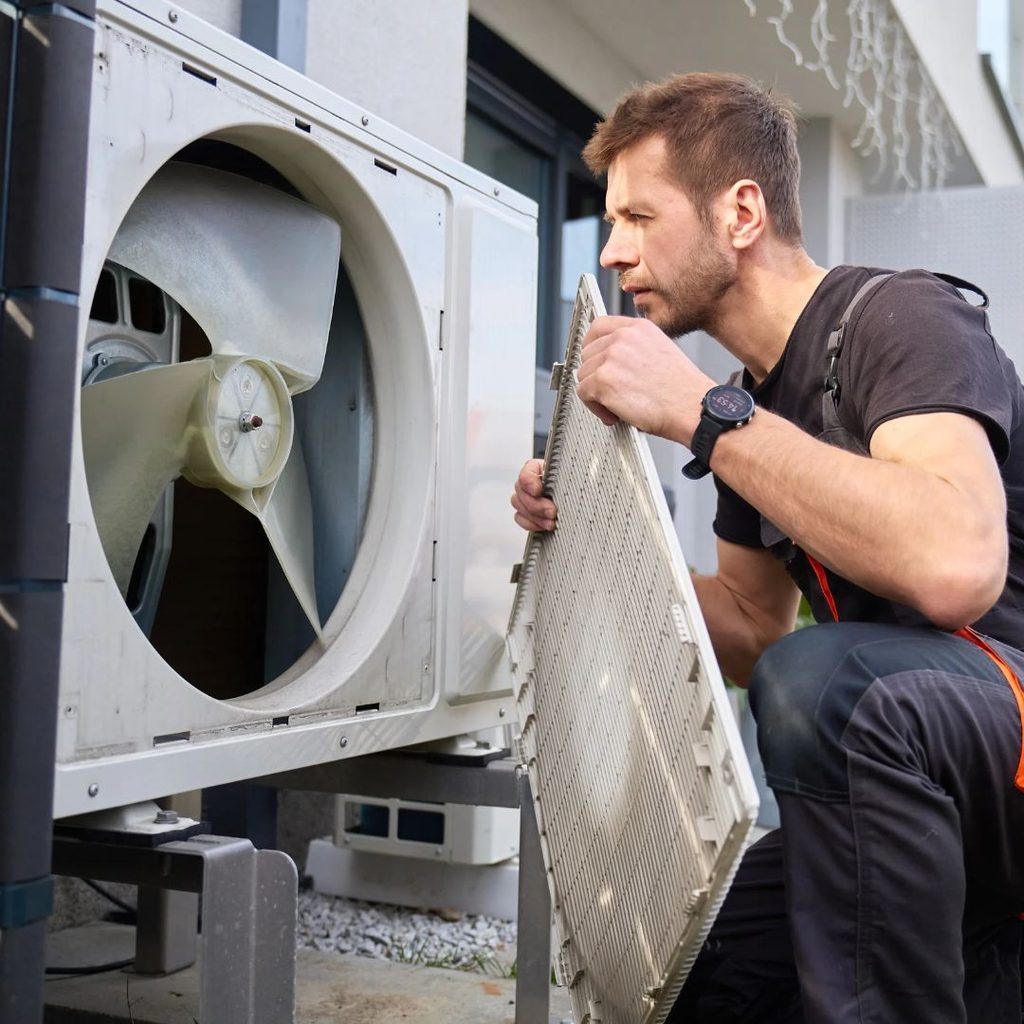
1. General Liability Insurance
General liability insurance is one of the foundational coverages for an HVAC contractor.
It can help protect your business if your operations cause third-party bodily injury or property damage.
For example, imagine one of your technicians is installing a new HVAC system and accidentally damages a customer’s property. Or a customer trips over equipment your team has left in a work area and is injured.
Depending on the circumstances and your policy, general liability insurance may help cover resulting claims, legal expenses, and covered damages.
Many general contractors and commercial clients may also require HVAC subcontractors to carry certain liability limits before they’re allowed on a job.
2. Workers’ Compensation Insurance
If your HVAC company has employees, workers’ compensation insurance is another critical consideration—and may be required by law depending on your circumstances.
HVAC technicians can face injuries from falls, lifting heavy equipment, cuts, burns, electrical hazards, vehicle accidents, and other workplace risks.
Workers’ compensation can help provide benefits for covered work-related injuries and illnesses, including medical expenses and a portion of lost wages.
Virginia has specific workers’ compensation requirements for employers, so it’s important to make sure your business understands its obligations.
3. Commercial Auto Insurance
If your technicians are driving company vans or trucks to customers’ homes and businesses, you’ll likely need commercial auto insurance.
A personal auto insurance policy generally isn’t designed to cover vehicles being used primarily for business purposes.
Commercial auto coverage can help protect your business when covered vehicles are involved in accidents and may include coverage for liability, physical damage, and other exposures depending on the policy you choose.
And don’t forget about employees using their personal vehicles for company business. Depending on how your business operates, you may also want to discuss hired and non-owned auto coverage with your insurance agent.
4. Tools and Equipment Coverage
Think about how much money you have invested in the tools your technicians carry every day.
Now imagine opening the company van one morning and discovering thousands of dollars’ worth of equipment is gone.
Tools and equipment coverage—often provided through an inland marine policy or endorsement—can help protect certain tools and equipment while they’re being transported or used away from your primary business location.
Coverage varies considerably, particularly when it comes to theft from vehicles, so it’s important to understand your policy’s limits, deductibles, exclusions, and security requirements.
5. Commercial Property Insurance
Do you own or lease an office, warehouse, or shop? Do you keep inventory, HVAC units, parts, computers, or other business property there?
Commercial property insurance can help protect covered business property from losses caused by covered events such as fire, theft, wind, and certain other causes of loss.
Your insurance agent can help you determine what property should be insured and whether your current limits reflect what it would actually cost to replace your equipment and inventory today.
6. Installation Floater Coverage
This is one HVAC contractors shouldn’t overlook.
What happens to expensive equipment before the installation is complete?
An installation floater can provide coverage for materials and equipment intended for installation while they’re in transit, temporarily stored, or awaiting or undergoing installation, depending on the policy.
For an HVAC contractor handling expensive heating and cooling systems, this coverage can fill an important gap.
7. Contractors Errors & Omissions Insurance
What happens if the problem isn’t physical damage caused during installation, but an allegation that your professional work, advice, design, or specifications were wrong?
Depending on the services your HVAC company provides, contractors errors and omissions (E&O) insurance may be worth considering.
For example, a customer could allege that an HVAC system was improperly designed or specified and doesn’t adequately heat or cool the building.
General liability insurance may not cover every type of professional error, which is why it’s important to discuss these exposures with your agent.
8. Cyber Liability Insurance
HVAC companies may not think of themselves as technology businesses, but that doesn’t mean they’re immune to cybercrime.
Your company may store customers’ names, addresses, payment information, employee information, invoices, and other sensitive data. You might also rely on cloud-based scheduling, billing, accounting, or customer-management systems.
Cyber liability insurance can provide important protection following certain cyber incidents, such as data breaches and ransomware attacks, depending on the policy.
Small and midsize businesses can be targets, too.
9. Employment Practices Liability Insurance
As your HVAC company grows and hires more employees, another risk grows with it: employment-related claims.
Employment Practices Liability Insurance (EPLI) can help protect businesses against certain claims involving allegations such as discrimination, harassment, wrongful termination, and other employment practices.
Your specific needs will depend on the size and structure of your workforce.
10. Commercial Umbrella Insurance
A serious accident can quickly exceed the limits of an underlying insurance policy.
Commercial umbrella insurance can provide additional liability protection above certain underlying policies, subject to its terms and conditions.
For an HVAC contractor with multiple technicians, company vehicles, significant commercial projects, or other substantial exposures, higher liability limits may be worth considering.
How Much Does HVAC Business Insurance Cost?
There isn’t one standard price for HVAC contractor insurance.
Insurance companies may consider factors such as:
- Your annual revenue and payroll
- Number of employees
- Types of HVAC work you perform
- Residential versus commercial work
- Service area
- Number and type of vehicles
- Value of tools and equipment
- Subcontractor use
- Claims history
- Coverage limits and deductibles
- Years in business
Two HVAC companies that appear similar on the surface could have very different insurance needs—and very different premiums.
That’s one reason working with an independent insurance agency can be valuable.
Does an HVAC Contractor Need All of These Coverages?
Not necessarily.
A one-person HVAC operation working primarily on residential service calls may have very different insurance needs than a contractor with 20 technicians, a fleet of vehicles, a warehouse, and large commercial projects.
The important thing is to build your insurance program around what your HVAC company actually does rather than simply purchasing a generic “contractor insurance” package.
Expanding Beyond HVAC? Talk to Your Insurance Agent First
As your HVAC business grows, you may decide to add services such as plumbing, electrical work, or other contracting services. Before you start offering those services, make sure your insurance agent knows. Your current policy was written based on the type of work your company was performing when the coverage was put in place. Adding a new trade can introduce different risks and may require changes to your coverage, classifications, limits, or even the insurance carriers available to your business. If your insurer doesn’t know you’ve expanded into additional types of work, you could discover a coverage problem when you need your insurance most. Before advertising or taking on a new service, give your insurance agent a call and make sure your coverage is ready to grow along with your business.
Looking for HVAC Contractor Insurance in Virginia?
At Holley Insurance, we work with Virginia business owners to help them understand their risks and find insurance coverage that fits the way they actually operate.
We’ll take the time to learn about your HVAC company—your employees, vehicles, equipment, projects, customers, and day-to-day operations—and help you determine which coverages make sense.
Because when you’ve worked hard to build a business, you shouldn’t have to guess whether it’s properly protected.
Have questions about insurance for your HVAC company? Request your complimentary proposal here.