You’re one click away from better coverage. Start your quote with Holley Insurance today!
-
Our Phone: (540) 334-4225
-
Our Email: service@holleyinsurance.com

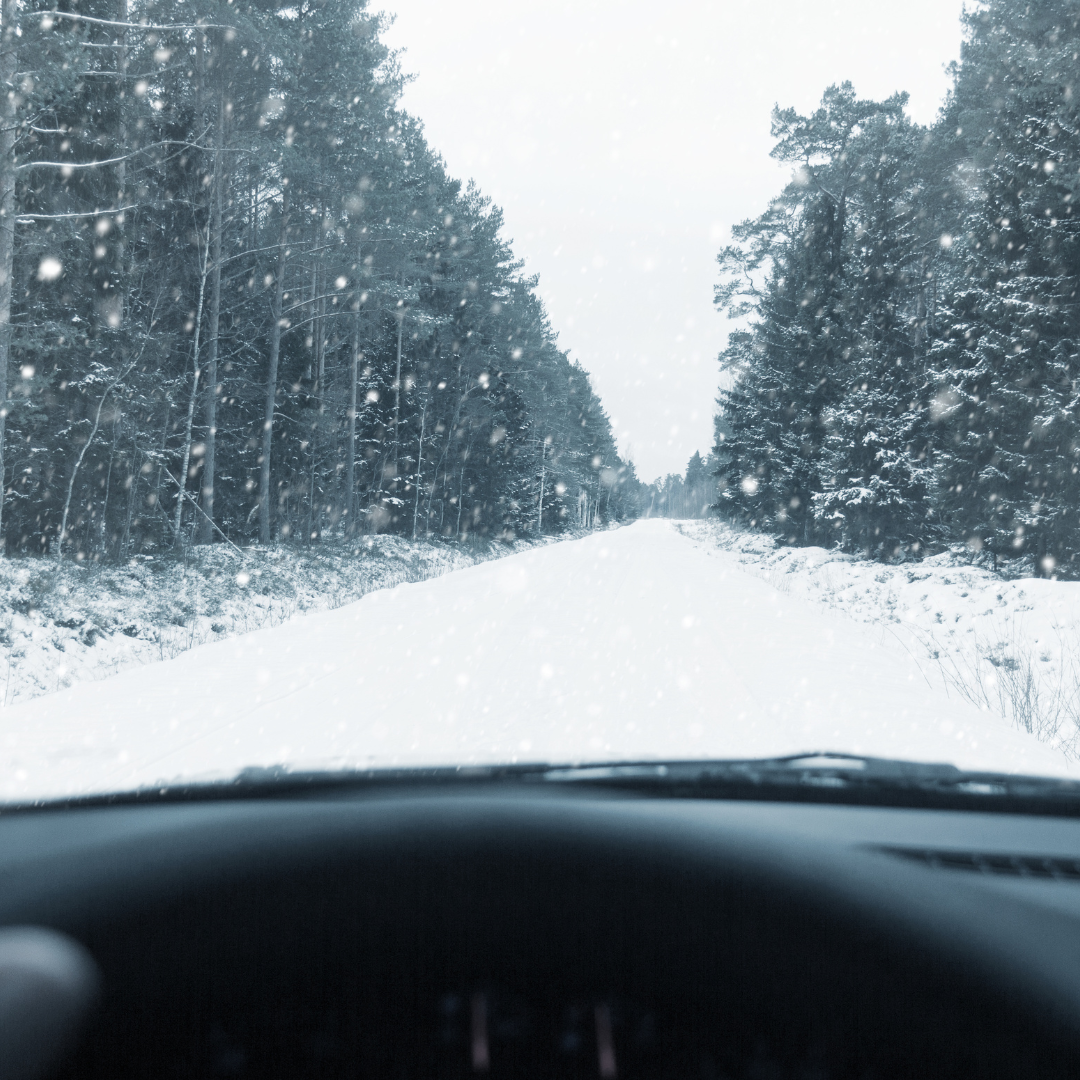
For many parents, a teen’s first winter on the road brings a whole new level of worry. Snow-covered streets, icy patches, shorter daylight hours, and unpredictable conditions can challenge even seasoned drivers—let alone someone who’s still gaining confidence behind the wheel.
While winter driving does come with increased risks, the good news is that preparation, practice, and clear expectations can go a long way in helping teen drivers stay safe during the colder months.
Start With Expectations—Before the Snow Falls
One of the most important steps families can take is talking through winter driving before the first storm arrives.
Let teens know upfront that winter driving is harder for everyone, not just new drivers. This helps normalize extra caution and encourages them to speak up if they’re uncomfortable driving in certain conditions.
Families should also agree on clear weather-related boundaries, such as:
-
No driving during active snow or ice storms
-
Avoiding highways when roads aren’t fully cleared
-
Requiring a weather and road-condition check before leaving
Some families find it helpful to use a simple decision framework:
-
Green light: Roads are clear and visibility is good
-
Yellow light: Light snow or wet roads—short, familiar trips only
-
Red light: Heavy snow, ice, or poor visibility—no driving
When expectations are set in advance, teens are less likely to feel pressured to make unsafe choices.
Practice Winter Driving—Together
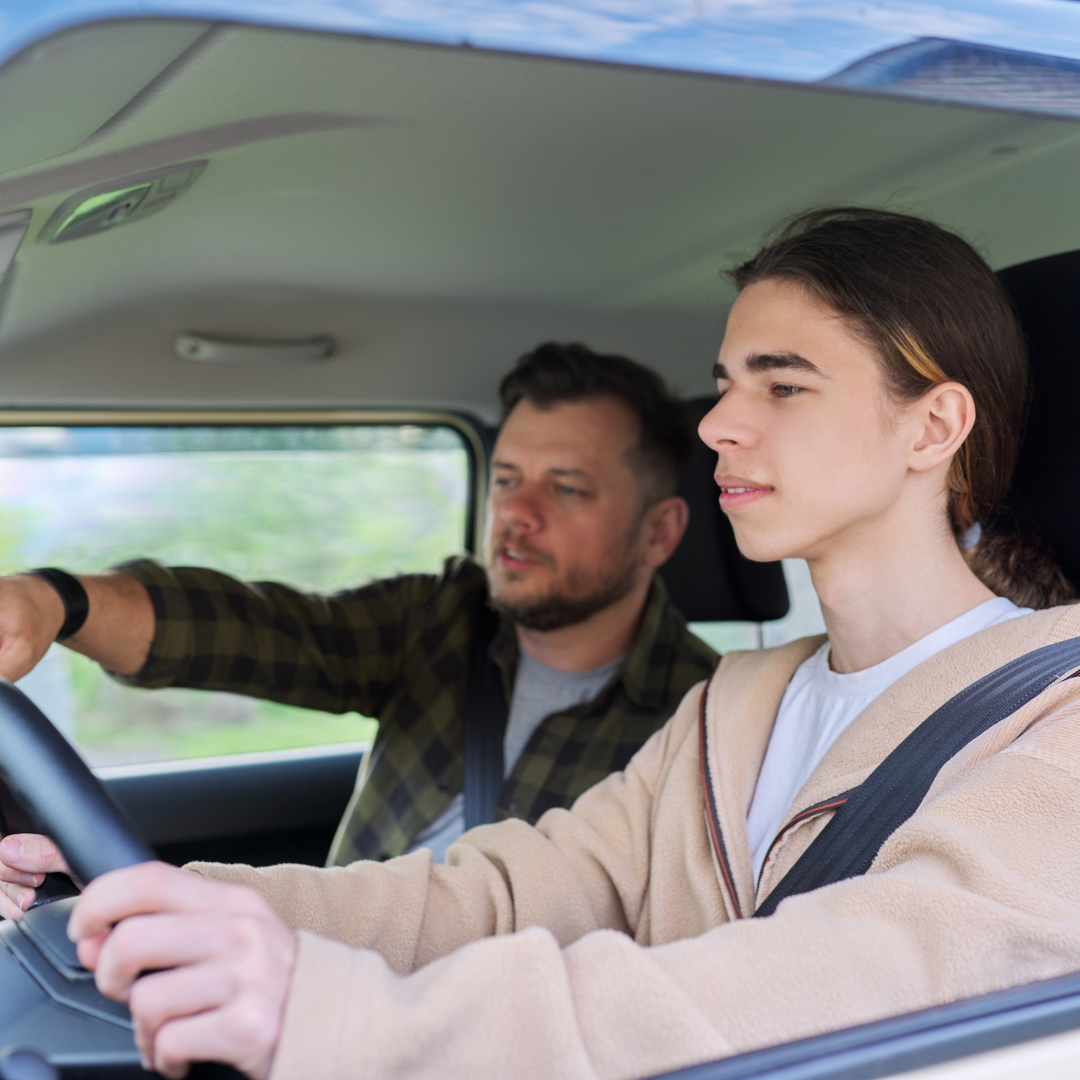
Winter skills aren’t instinctive; they’re learned through experience. The safest way for teens to build those skills is with an experienced adult riding along.
Consider:
-
Scheduling the first few winter drives in low-traffic areas
-
Practicing braking and steering on slick surfaces in empty parking lots
-
Reviewing how the car behaves when traction is reduced
Parents can also talk through their decisions out loud while driving—explaining why they’re slowing down earlier, increasing following distance, or choosing a different route. This real-time insight helps teens recognize hazards before they become emergencies.
Make Sure the Car Is Winter-Ready
A well-prepared vehicle gives teen drivers a safer starting point when conditions are less than ideal.
Before temperatures drop, families should:
-
Check tire tread and pressure (and consider winter tires if appropriate)
-
Test the battery, which can weaken in cold weather
-
Top off fluids, including winter-grade windshield washer fluid
-
Replace worn wiper blades and confirm all lights are working
Routine maintenance may not be exciting, but it can prevent breakdowns and visibility issues when teens need reliability most.
Stock a Winter Emergency Kit
Every teen driver should have an emergency kit in their vehicle—especially during winter months. A basic kit might include:
-
Ice scraper and snow brush
-
Jumper cables
-
Flashlight and extra batteries
-
Phone charger that plugs into the car
-
Warm items like gloves, a hat, and blankets
-
Bottled water, snacks, and a first-aid kit
Knowing these supplies are in the car can also give parents added peace of mind.
Reinforce Smart Winter Driving Habits
Once teens are on the road, technique matters. Encourage habits that help maintain control in snow and ice:
-
Drive slower than usual and allow extra stopping distance
-
Accelerate and brake gently to avoid skids
-
Leave more space between vehicles
-
Avoid cruise control on slippery roads
-
Be extra cautious on bridges, overpasses, and hills
It’s also important to remind teens to give snowplows plenty of space—they move slowly and are doing critical work to make roads safer.
Make sure you know your stuff though. Check out some winter driving myths that you shouldn’t believe here!
If They Get Stuck or Stranded
Teens should know exactly what to do if winter conditions worsen unexpectedly:
-
Stay in the vehicle whenever possible
-
Turn on hazard lights and make the car visible
-
Keep the exhaust pipe clear of snow
-
Call a parent, roadside assistance, or emergency services right away
Having a clear plan helps teens stay calm and make safer decisions.
Safe Habits Matter All Year—Especially in Winter
Winter driving amplifies everyday risks like distraction and speeding. Families should continue reinforcing non-negotiables:
-
No texting or phone use while driving
-
Always wearing seat belts
-
Never driving under the influence
-
Following passenger limits and state laws
Combined with winter-specific preparation, these habits help teens build confidence and good judgment that last far beyond the cold season.
How Holley Insurance Can Help
At Holley Insurance, we know that protecting young drivers means more than just having a policy—it’s about education, preparation, and support. If you have questions about coverage for teen drivers or want to review your auto policy before winter weather arrives, our team is here to help. Ask us about programs offered by your insurance carrier to encourage safe driving from your teen!
A little planning today can make a big difference all winter long.