You’re one click away from better coverage. Start your quote with Holley Insurance today!
-
Our Phone: (540) 334-4225
-
Our Email: service@holleyinsurance.com
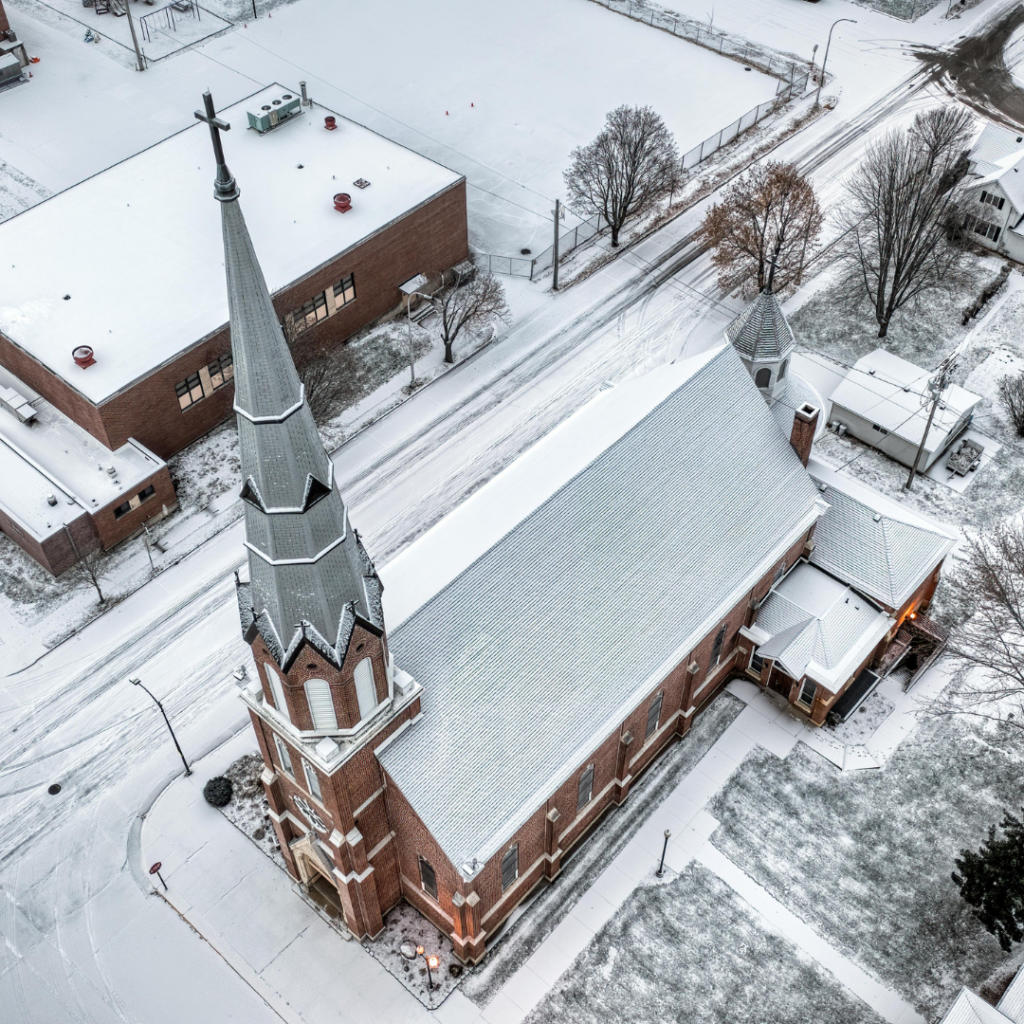
Winter weather can bring beautiful moments of stillness and reflection—but it can also bring serious challenges for churches. Snow, ice, and freezing temperatures can interrupt worship services, damage facilities, delay reopening, and put congregants at risk. Because places of worship often serve as community hubs, outreach centers, and even emergency shelters, winter preparedness is essential.
At Holley Insurance, we understand how vital it is for faith-based organizations to remain safe, resilient, and ready to serve their communities—no matter the weather. This winter readiness guide for churches outlines practical steps to help churches prepare for, operate during, and recover from severe winter weather events.
Why Winter Weather Planning Matters
Winter storms can affect churches in several ways:
- Rapidly changing forecasts may require last-minute adjustments to services and events.
- Extended cold snaps can cause burst pipes, roof issues, and HVAC failures—especially in older buildings.
- Travel hazards may force cancellations or impact attendance.
- Utility outages can delay ministry programs or shelter operations.
- Insurance limitations may leave financial gaps if damage or community use isn’t properly covered.
Proactive planning helps minimize interruptions while keeping your congregation safe and connected.
BEFORE WINTER SEASON: Pre-Winter Planning
1. Develop Emergency Plans & Assign Roles
- Identify essential church functions: worship services, ceremonies, religious education, outreach programs, technology needs, and donation processes.
- Assign leadership, volunteers, backups, and key contacts.
- Connect with your local EOC, American Red Cross, or VOAD to understand how your church could serve in an emergency.
- Create checklists for worship continuity, childcare areas, and facility operations.
- Pre-arrange contracts for snow and ice removal.
2. Assess Facility Risks
- Walk the building regularly—including storage rooms, attics, and basements—to spot air leaks or areas prone to freezing pipes.
- Inspect HVAC systems, roofing, and water shutoff points.
- Have a professional assess snow load capacity, especially for flat or older roofs.
- Evaluate fire sprinkler systems for freeze risk.
3. Backup Power & Protection Systems
- Consider a generator for heat, lights, and technology continuity.
- Test generators annually at full load.
- Keep plastic sheeting, insulation wrap, and duct tape onsite for quick damage control.
- Install smart thermostats or remote sensors for temperature and leak monitoring when the building is unoccupied.
4. Protect Data & Review Insurance Coverage
- Back up membership records, sermon files, financial data, and communications systems.
- Follow the 3-2-1 Backup Rule (3 copies, 2 media types, 1 offsite).
- Ensure someone offsite can update your website and communications if local systems fail.
- Review your insurance policies to confirm coverage for:
- Frozen pipes or water damage
- Roof damage
- Storm-related structural issues
- Liability and coverage implications if your building is used as a warming shelter
5. Engage Your Congregation
- Establish a clear communication plan (phone tree, group text, or mass notification).
- Educate members on closures and emergency procedures.
- Encourage family preparedness.
- Organize volunteers to check on elderly or vulnerable members.
WHEN A WINTER STORM IS FORECASTED
1. Advance Preparations
- Monitor trusted sources like the National Weather Service.
- Test heating systems, thermostats, and exposed pipes.
- Notify the congregation early about potential service changes.
- Move outdoor equipment inside.
- Prepare supplies: ice melt, batteries, blankets, portable heaters, flashlights.
- Decide on alternatives for worship (online service, prerecorded sermon, call-in devotional).
- Share instructions for online giving.
- Coordinate with worship leaders, musicians, and ministry teams.
2. Protect the Building
- Allow faucets to drip during extreme cold.
- Open cabinets and interior doors to improve heat circulation.
- Place anti-slip mats at entrances.
- Keep thermostats at least 55°F, even if the building is closed.
- Wrap water-sensitive electronics in plastic (unplug first).
- Check battery backups for emergency lighting.
3. Shelter Preparations (if applicable)
- Confirm readiness with your local EOC or Red Cross.
- Stage cots, hygiene kits, food, and water.
- Ensure safety and registration procedures are in place.
DAY OF THE STORM
- Verify heating is functioning properly.
- Ensure parking lots, entrances, and ramps are cleared and salted.
- Update all communication channels.
- Cancel in-person services when roads become unsafe.
- Monitor the building remotely when possible.
DURING THE STORM
- Continue remote monitoring for leaks or temperature drops.
- Stay in contact with emergency services and care teams.
- Use backup communication options if internet or cell service goes down.
- Adjust plans as conditions change.
AFTER THE STORM: Recovery Steps
1. Inspect & Document
- Look for burst pipes, water damage, HVAC issues, and roof concerns.
- Take photos before starting repairs.
- Identify congregants needing assistance (especially elderly or vulnerable).
- Bring in licensed professionals for structural issues.
2. Cleanup & Repairs
- Ventilate and dry wet areas quickly to prevent mold growth.
- Clear snow and ice from walkways before reopening.
- Ensure emergency lighting and alarm systems are working.
- Prioritize ADA-accessible entrances and handicap parking.
3. Restore Worship & Operations
- Communicate reopening plans or virtual worship options.
- Provide alternate giving methods if needed.
- Offer pastoral care to members affected by the storm.
4. Long-Term Improvements
- Review successes and gaps in your winter preparedness plan.
- Monitor for hidden damage or delayed system failures.
- Upgrade to more resilient infrastructure when possible.
- Document lessons learned for future leadership teams.

Final Thoughts
Churches are more than just buildings—they are places of refuge, compassion, and spiritual strength. With thoughtful planning, your congregation can continue to serve and support your community, even in the harshest winter conditions.
Holley Insurance is here to help you evaluate your coverage, identify risks, and build a continuity plan that protects your mission all year long.
If your church needs help reviewing policies or improving winter preparedness, we’re here for you. Request a review here.
A little more about Holley Insurance…
Holley Insurance was founded in 2000, and retains a core base of loyal clients. We have locations in Roanoke, Rocky Mount, and Forest, VA. As an independent insurance agency, Holley Insurance represents a carefully selected group of financially strong, reputable insurance companies. Therefore, we are able to offer you the best coverage at the most competitive price. If you’re interested in starting a quote online or having us take a look at your current policies, click here!