You’re one click away from better coverage. Start your quote with Holley Insurance today!
-
Our Phone: (540) 334-4225
-
Our Email: service@holleyinsurance.com
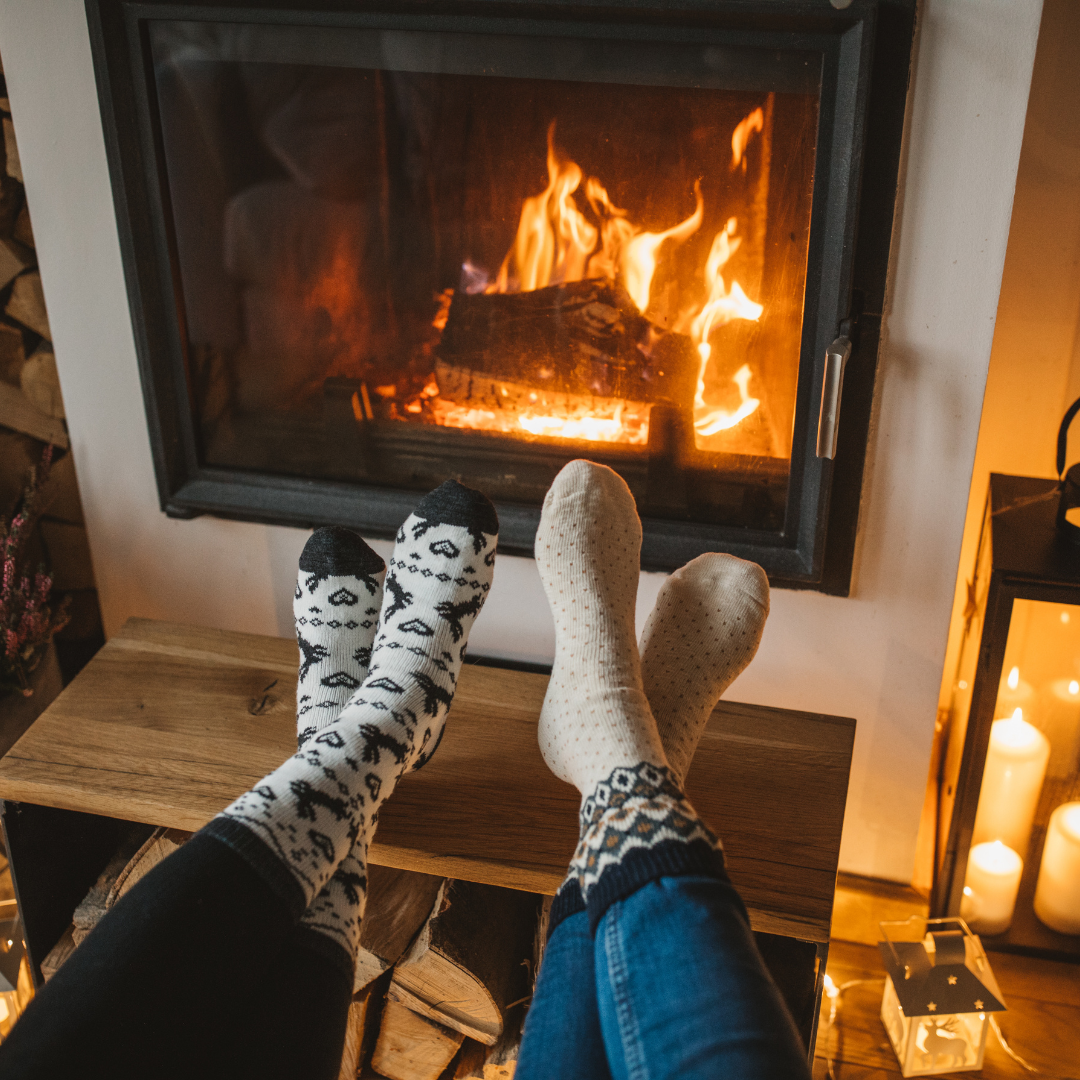
When temperatures start dropping in Virginia, there’s nothing quite like a warm fire on a chilly evening. Whether you have a traditional fireplace, wood-burning stove, pellet stove, or another supplemental heat source, fall is a good time to make sure you’re ready to use it safely.
It’s also a good time to ask an insurance question you may not have considered:
Does your homeowners insurance cover your fireplace or wood stove—and what happens if it causes a fire?
In many cases, homeowners insurance can provide protection for fire-related damage. However, fireplaces and wood stoves can also create additional risks that your insurance company needs to know about.
Here are a few things Virginia homeowners should keep in mind.
Does Homeowners Insurance Cover Damage Caused by a Fireplace?
Generally, fire is a covered cause of loss under a standard homeowners insurance policy. That means if a fire escapes your fireplace and damages your home, your policy may help pay for covered damage, subject to the terms, limits, exclusions, and deductible of your specific policy.
Depending on the circumstances, coverage could potentially apply to damage to the structure of your home as well as your personal belongings.
But having insurance doesn’t mean maintenance and safety don’t matter.
Insurance companies may have requirements regarding fireplaces, chimneys, wood stoves, and other heating equipment. Improper installation, failure to disclose a supplemental heat source, or other circumstances could create coverage or eligibility issues.
Do I Need to Tell My Insurance Company About a Wood Stove?
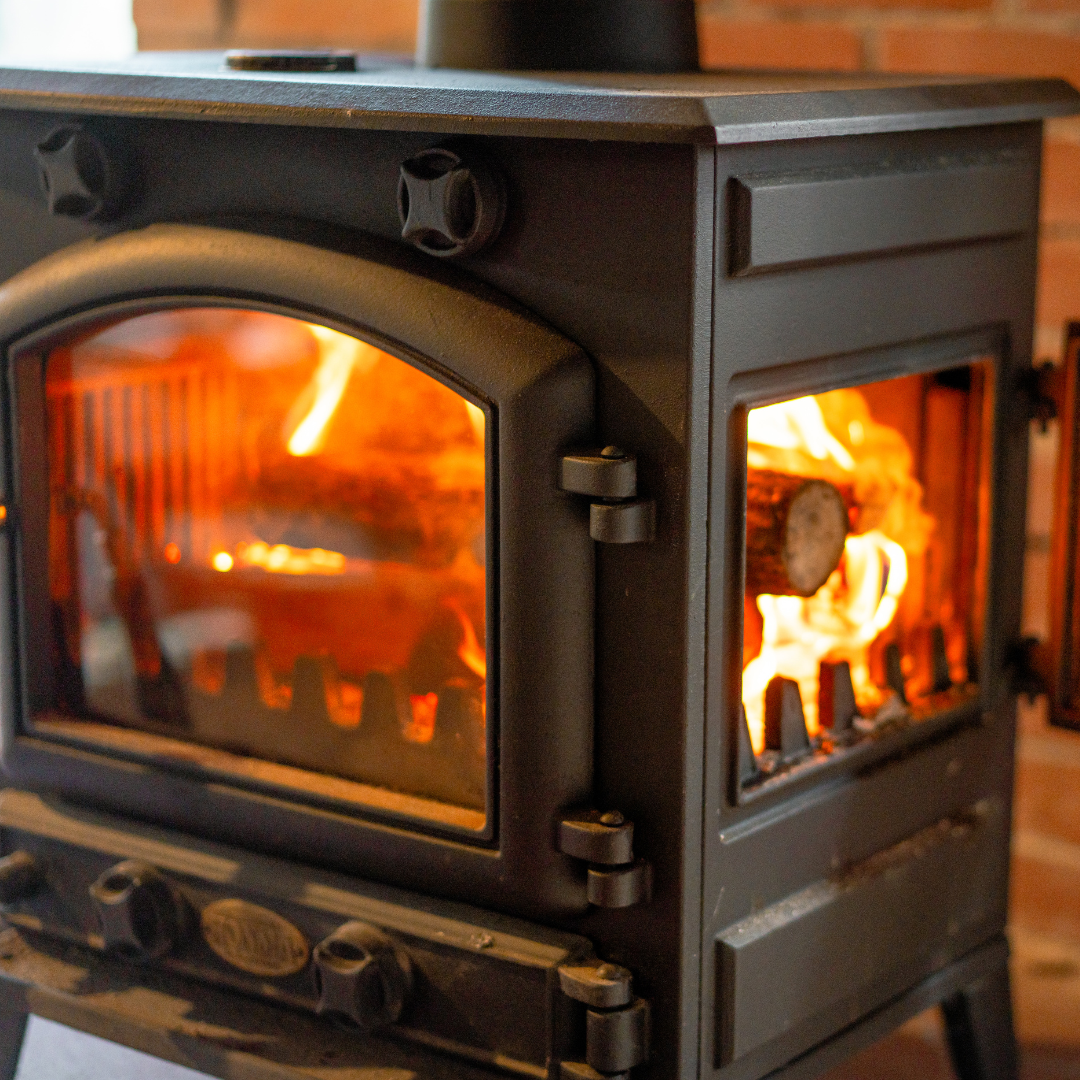
Yes, it’s a good idea to talk to your insurance agent before installing or beginning to use a wood stove.
A wood-burning stove can change the fire risk associated with your home. Depending on the insurance company, you may be asked for information about the stove, how it was installed, where it is located, and how it is vented.
Some carriers may have specific underwriting requirements or may want confirmation that the stove was professionally installed and meets applicable codes.
The same principle can apply to pellet stoves and other supplemental heating systems.
Don’t assume that because the stove was already in the house when you purchased it, your insurance company automatically knows about it. If you’re unsure whether it’s listed correctly, ask your agent.
Can a Wood Stove Affect Your Homeowners Insurance?
It can.
Insurance companies evaluate many factors when determining whether they’ll insure a home and what it will cost. The presence of a wood stove or other supplemental heating source may be one of them.
That doesn’t necessarily mean you can’t get homeowners insurance or that your premium will automatically increase. Requirements vary by insurance company.
This is one advantage of working with an independent insurance agency like Holley Insurance. We work with multiple insurance companies and can help you understand how different carriers approach homes with fireplaces, wood stoves, and other heating systems.
Don’t Forget About Your Chimney
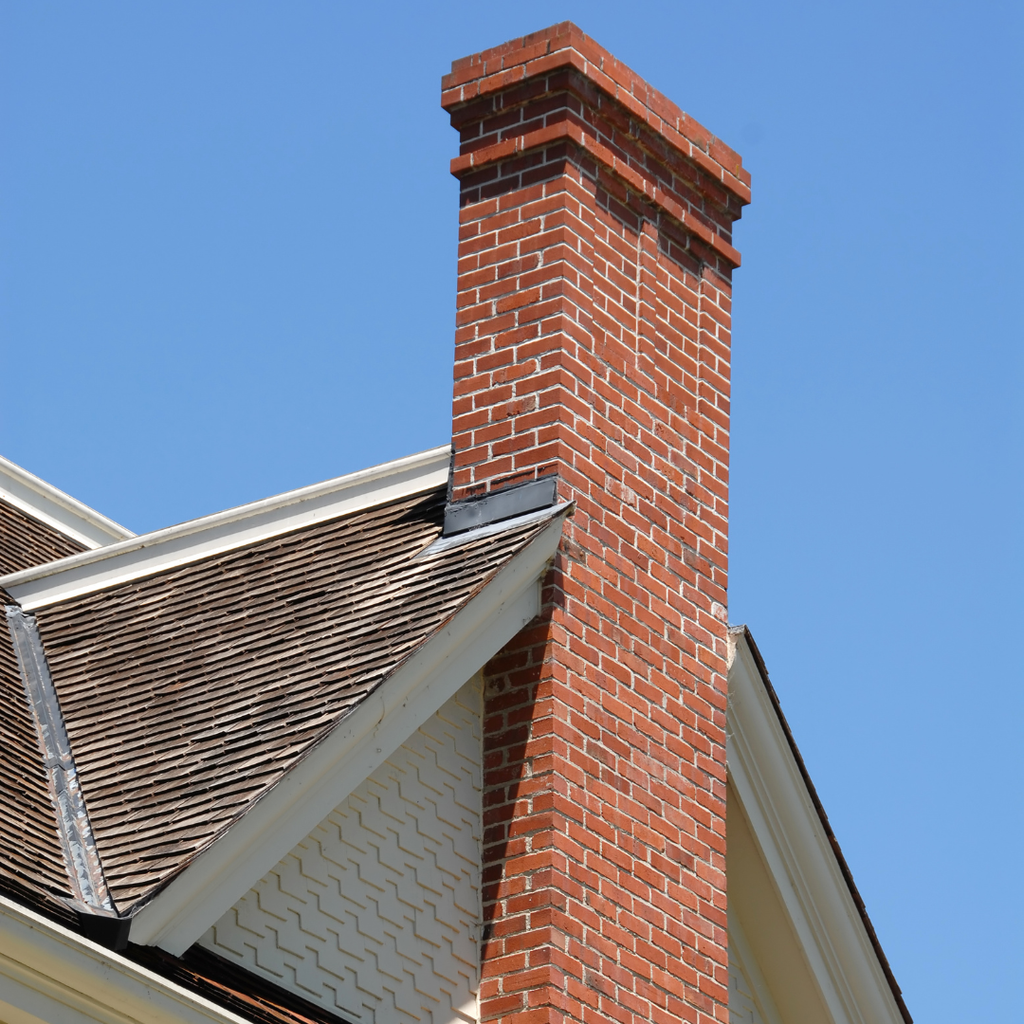
Even if you’ve been using the same fireplace for years, regular maintenance is important.
Wood-burning fires can cause creosote to build up inside a chimney. That buildup can increase the risk of a chimney fire.
Before fireplace season gets into full swing, consider having your chimney inspected and cleaned by a qualified professional when appropriate.
It’s also a good time to check that your smoke alarms and carbon monoxide detectors are working properly and replace batteries as needed.
A Few Fireplace and Wood Stove Safety Reminders
A cozy fire is much more enjoyable when you’re not worrying about what could go wrong. Before you light the first fire of the season:
- Keep flammable materials a safe distance from fireplaces and stoves.
- Use an appropriate fireplace screen or protective barrier.
- Never leave a fire unattended.
- Dispose of ashes safely and only after they’re completely cool.
- Have chimneys, flues, and heating equipment inspected and maintained as appropriate.
- Make sure smoke and carbon monoxide detectors are working.
- Keep a fire extinguisher accessible and know how to use it.
- Follow the manufacturer’s instructions for any wood or pellet stove.
And if you’re installing a new stove or fireplace, check local permitting and installation requirements and talk with your insurance agent before you start using it.
Already Have a Fireplace or Wood Stove? Let’s Make Sure You’re Covered Properly.
You don’t need to become an insurance expert just because you enjoy a wood fire.
If you already have a fireplace, wood stove, pellet stove, or other supplemental heat source—or you’re thinking about adding one—give Holley Insurance a call.
We can review your homeowners insurance, make sure we have accurate information about your home, and help you understand how your coverage may respond if something goes wrong.
Have a question? Ask your friends in insurance at Holley Insurance. We’re happy to help.
A little more about Holley Insurance…
Holley Insurance was founded in 2000, and retains a core base of loyal clients. We have locations in Roanoke, Rocky Mount, and Forest, VA.(opens in new tab) As an independent insurance agency, Holley Insurance represents a carefully selected group of financially strong, reputable insurance companies. Therefore, we are able to offer you the best coverage at the most competitive price. Holley Insurance was named “Top Insurance Broker in Southwest Virginia”(opens in new tab) by Virginia Living Magazine(opens in new tab). If you’re interested in starting a quote online or having us take a look at your current policies, click here!